Every business runs on a stack of tools, data, and habits that grew one decision at a time. Digital strategy is the step back: we map how your operation actually works, find the places where technology creates a competitive edge, and rank what to fix first.
You don't get a 40-page deck. You get a roadmap with priorities and numbers attached, and the same team that wrote it stays to build it.
Four phases. One team. No handoffs.
Two weeks inside your workflows, tools, and data. We map what's really happening, not what the org chart says.
A roadmap ranked by payoff and effort. Quick wins first, big bets scoped honestly, a number attached to each.
The team that wrote the plan ships it: integrations, dashboards, automations, whatever the roadmap calls for.
Every initiative reports into a live dashboard. What works scales. What doesn't gets cut, on purpose, with data.
And once the operation is humming, Generative Engine Optimization makes sure the AI engines telling buyers who to hire can see it.
Priorities with payoff, effort, and owners attached. Short enough to act on, honest enough to budget from.
Your data pulled together from 650+ possible sources into dashboards people actually open.
Routing, tagging, follow-ups, and reporting handled without a human in the loop, so your team does the work that needs one.
The tools you already pay for, integrated instead of replaced. New software only where it earns its seat.
Numbers that show up as insight, on a schedule. Not a month-end export chore.
Strategy isn't a handoff. The people who wrote the plan build it, measure it, and adjust it as the numbers come in.
Every engagement comes with live reporting like this: one clear view of what's working, updated on its own. This is a real example dashboard. Click around, change the dates, hover the charts, explore. Want to see one built for a specific industry? Take a look at our automotive dealership example.

Meta instant forms made it easier than ever to collect leads. The strategy question was what happens in the minutes after: routing, response, and follow-up, automated end to end.
Read Case Study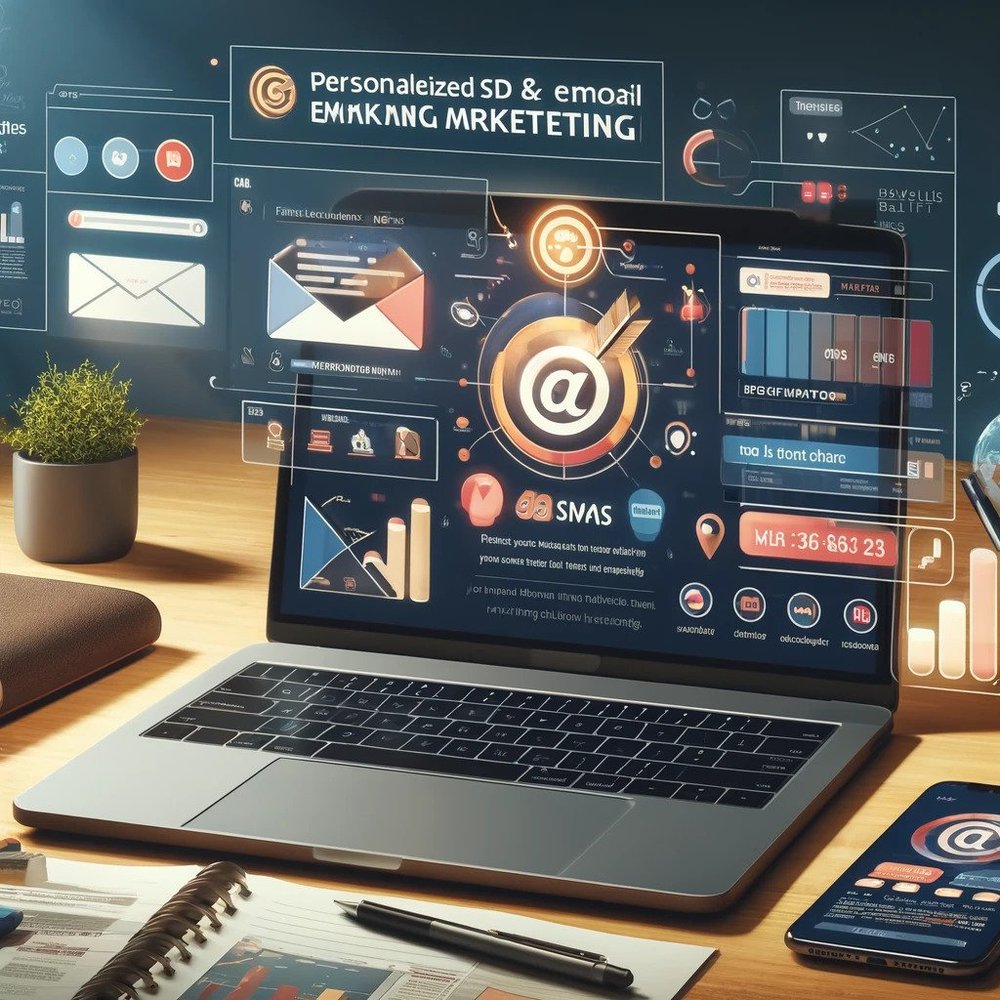
Auto Clearing had ten thousand past customers sitting in a CRM. The roadmap found the edge: a low-cost SMS and email tool that turned their own sales data into personal outreach.
Read Case Study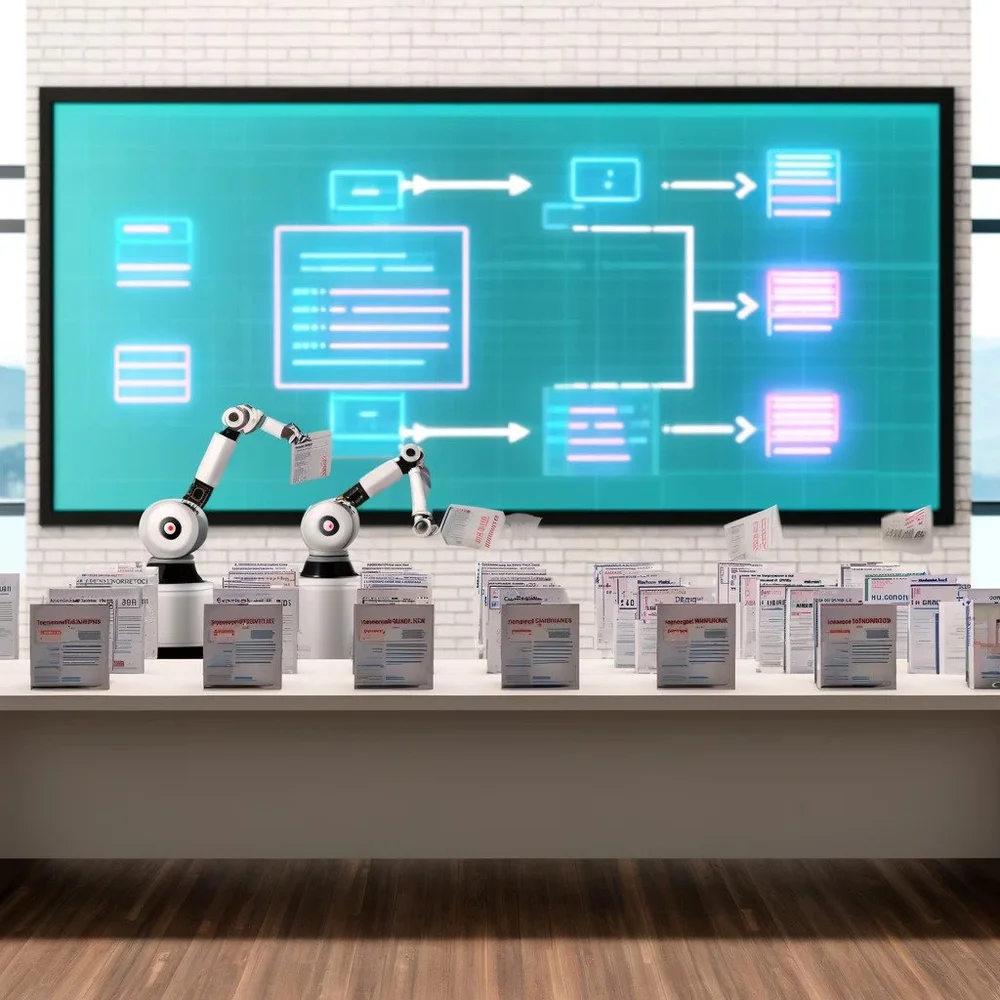
Q-Line Trucking was plagued by driver shortages. Mapping the recruiting funnel turned hiring into a forecast: today they can predict the time it takes to staff up for any expansion.
Read Case Study